New floors can change a whole home — but the price swings a lot depending on the material you pick and the shape your subfloor is in. If you're weighing hardwood against luxury vinyl, or wondering whether tile is worth it, this guide breaks down what flooring really costs in Seattle, installed, and how to choose the right material room by room.
About these numbers: the ranges below are typical installed prices per square foot for the Greater Seattle Area. Your final quote depends on the material grade, your subfloor's condition and the layout of the space.
⚠ Estimated ranges — confirm
Flooring cost by material (installed, per square foot)
Laminate — about $5–$9 / sq ft
Laminate is the budget-friendly choice: scratch-resistant, fast to install, and available in convincing wood looks. It's a smart pick for bedrooms, hallways and rentals where you want a clean floor without a premium price. It's not the best fit for genuinely wet areas, but for most living spaces it holds up well.
Luxury vinyl plank (LVP) — about $6–$12 / sq ft
LVP has become the default for a reason: it's fully waterproof, extremely durable, and comfortable underfoot. That makes it ideal for kitchens, bathrooms, basements and busy households with kids and pets. You get the look of wood without worrying about spills, and it handles Seattle's damp better than almost anything at this price.
Tile — about $12–$25 / sq ft
Porcelain, ceramic and natural stone tile cost more to install because the labor is more involved — a proper substrate, waterproofing in wet areas, and careful setting. But tile is unmatched for bathrooms, entries and mudrooms, and it can be paired with heated-floor systems for Seattle winters.
Hardwood (install or refinish) — about $8–$18 / sq ft
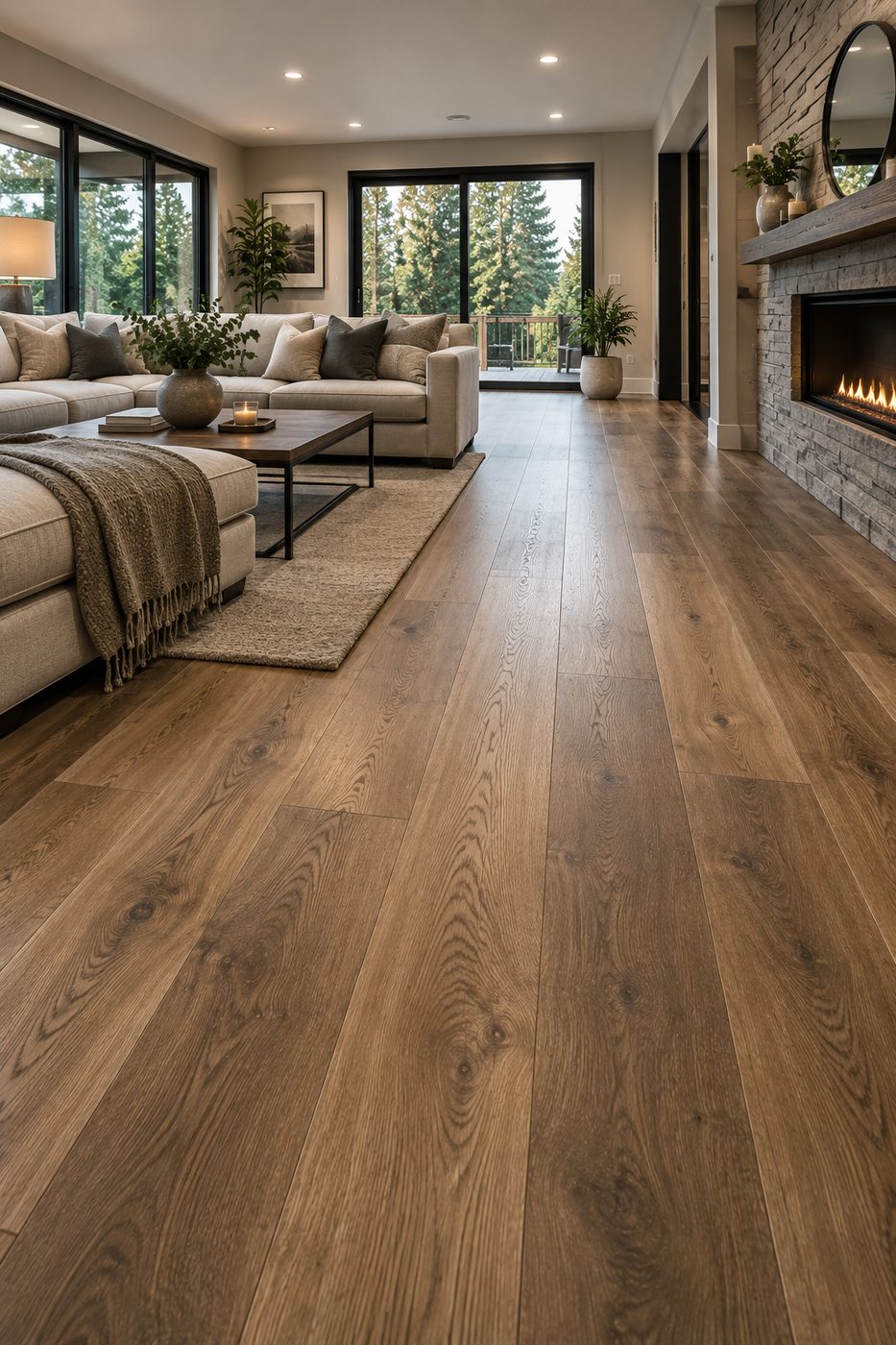
Solid and engineered hardwood remain the gold standard for living areas and add real resale value. The wide range reflects the difference between a simple engineered install and a site-finished solid floor. One money-saving note: if your existing hardwood is structurally sound, refinishing costs far less than replacing it and can make decades-old floors look brand new.
What drives the price beyond the material
The plank or tile you pick is only part of the equation. These factors matter just as much:
- Subfloor condition. A flat, sound subfloor is quick to work with. Leveling, repairing or addressing moisture adds labor — but skipping it is why floors squeak, gap and lift later.
- Demolition and disposal. Tearing out old flooring, especially tile or multiple layers, takes time and adds haul-away cost.
- Layout complexity. Lots of corners, transitions, stairs and closets slow installation compared to open rectangular rooms.
- Moving furniture. Clearing and protecting furniture can be included, but it's worth confirming in your estimate.
- Transitions and trim. New baseboards, thresholds and stair nosings finish the job and add to materials.
How to choose the right floor for each room
The best flooring isn't the most expensive — it's the one that fits how the room is used:
- Kitchens and baths: LVP or tile, for waterproofing and easy cleanup.
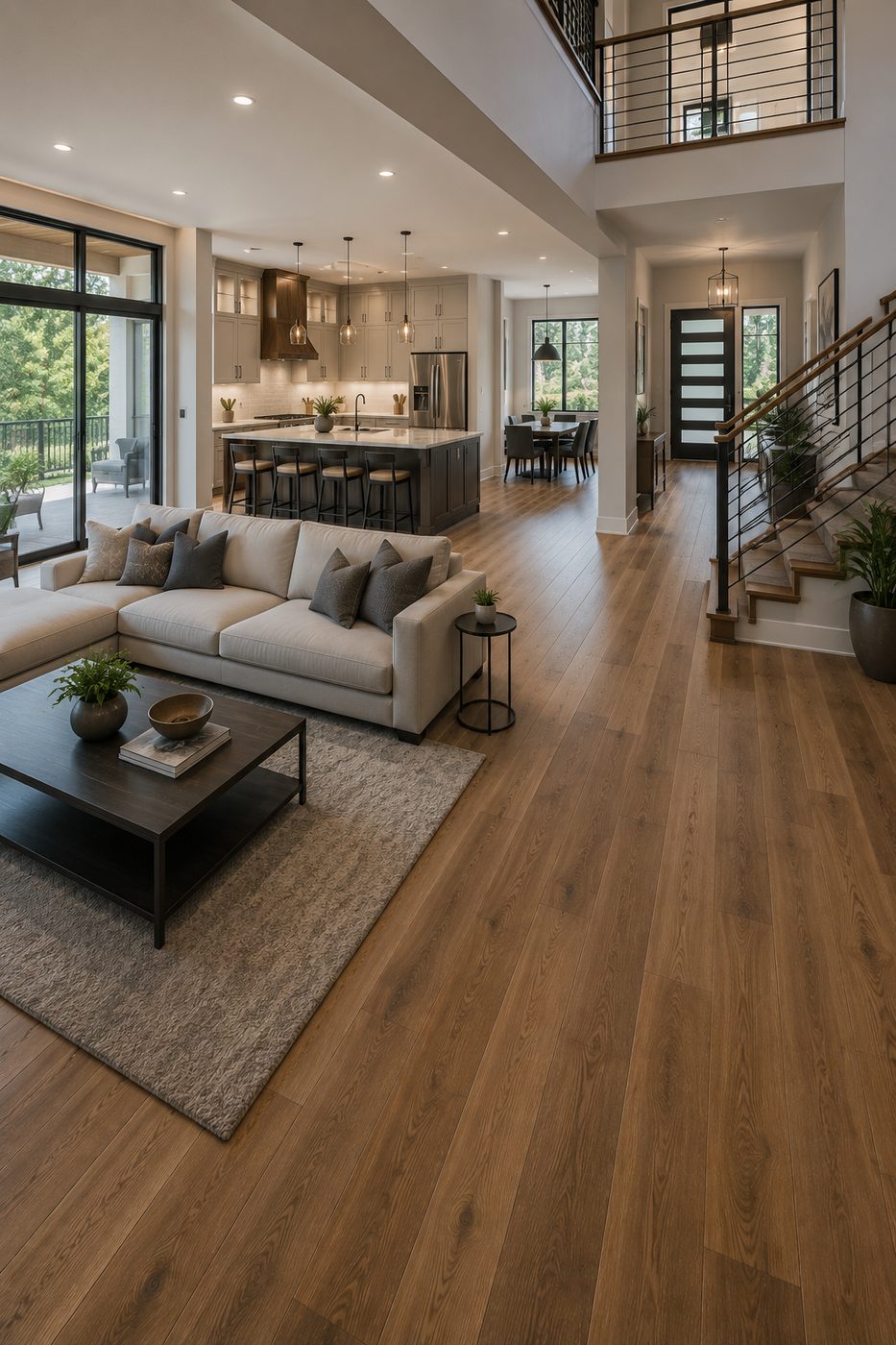
- Living and dining rooms: hardwood, for warmth and resale value.
- Bedrooms and hallways: laminate or LVP, for value and comfort.
- Basements: LVP, which shrugs off the moisture that below-grade spaces attract.
Our rule of thumb: spend on prep, not just the plank. A mid-range floor installed over a properly leveled, moisture-controlled subfloor will outlast a premium floor rushed over a bad base every time.
Can you install over the existing floor?
Sometimes — it depends on the current surface and its condition. In the right situation, floating floors like LVP and laminate can go over existing hard surfaces, which saves on demolition. But we never cover up a problem that will telegraph through the new floor, so we always check the subfloor and moisture first and tell you honestly what's possible.
Underlayment, trim and the "extras" that add up
When you compare quotes, make sure they cover the same things — the line items beyond the flooring itself are where surprises hide. A complete flooring job usually includes underlayment or a moisture barrier suited to the material and the room, new baseboards or shoe molding, transition strips between rooms and flooring types, and stair nosings if stairs are involved. On concrete slabs, a moisture test and the right barrier are essential; skipping them is a common cause of failure in basements and ground floors. None of these are expensive on their own, but together they're a real part of the budget — and a low bid that leaves them out isn't actually cheaper.
How to make your flooring budget go further
A few simple choices stretch the same dollars further. Running one material through connected spaces makes a home feel larger and cuts down on costly transitions. Choosing a mid-grade product in a durable finish often outperforms a premium product in day-to-day wear. And timing multiple rooms together saves on mobilization, since the crew is already set up. If you have sound hardwood, refinishing before you consider replacing is almost always the better value.
Why Seattle pricing runs where it does
Skilled flooring labor is in demand across the region, and many Seattle homes have older subfloors that need attention before a new floor goes down. That's why an experienced local installer and a clear scope matter — a low bid that skips prep almost always costs more in callbacks and repairs.
The bottom line
Installed flooring in Seattle generally runs from about $5 per square foot for laminate to $25 for tile, with LVP and hardwood in between. The right choice balances the room's use, your budget and your subfloor's condition. A free, fixed-price estimate on your actual space is the fastest way to turn these ranges into a real number.
Get a Free Estimate
Planning a project in the Greater Seattle Area? We'll give you a fixed-price estimate — no pressure.
Get a Free Estimate