It's one of the most practical questions homeowners ask before a project starts: can I keep living in my house while it's being remodeled? For most projects the answer is yes — but whether you should depends on the scope, your household, and how the work is phased. Here's an honest look at when staying works, when moving out is smarter, and how a good contractor keeps your home livable either way.
When staying is usually fine
Plenty of remodels are perfectly livable if you have a second bathroom or the work is confined to one area. Staying tends to work well for:
- Single-bathroom remodels when you have another bath to use.
- Flooring and painting done room by room, so you're never fully displaced.
- Handyman and small projects that wrap up in a day or two.
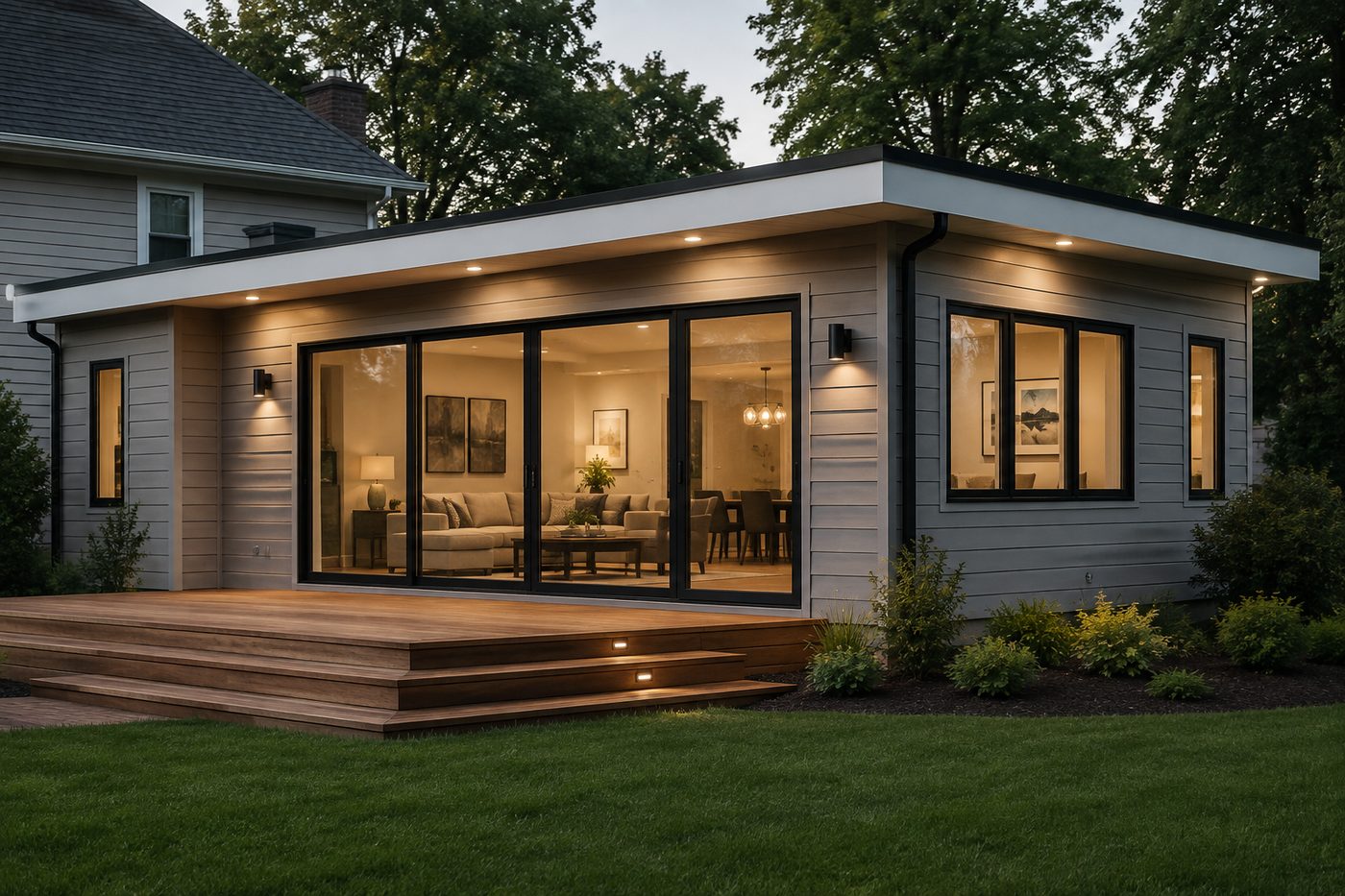
- Additions or basement work that's sealed off from your day-to-day living space.
In these cases, a good crew seals off the work zone, protects your floors and belongings, and keeps the rest of the home clean and functional.
When moving out is worth considering
Some projects are genuinely disruptive, and short-term relocation can save your sanity — and sometimes speed the work up, since crews can move faster in an empty space. Consider staying elsewhere for:
- Your only-bathroom remodel, where you'd have no working shower or toilet for a stretch.
- Kitchen remodels, if being without a kitchen for weeks isn't workable (many clients set up a temporary kitchenette instead).
- Whole-home remodels, where most of the house is a job site at once.
- Projects with heavy dust or fumes, which can be hard on young kids, older adults, pets or anyone with respiratory issues.
There's no single right answer. It's a trade-off between cost, convenience and comfort. We talk it through honestly with every client and never push you to tough out a situation that isn't practical for your household.
How a good contractor keeps your home livable
If you do stay, the contractor makes all the difference. The things we do on every occupied remodel:
- Dust containment. Plastic barriers, zippered doorways and sealed vents keep construction dust out of your living areas.
- Floor and surface protection. Runners and coverings protect the paths and rooms you're still using.
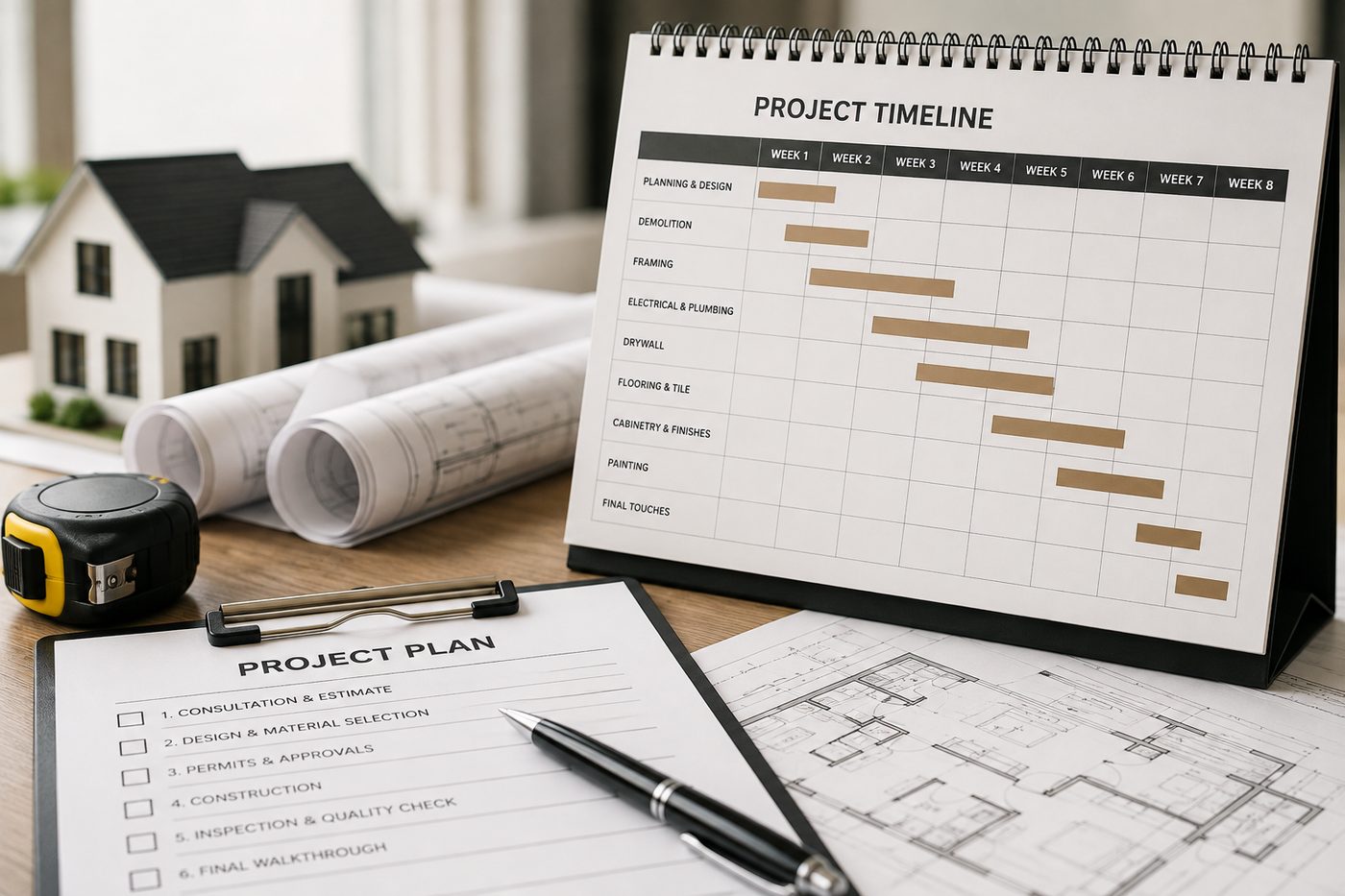
- Phasing. We sequence the work so essential spaces stay usable as long as possible — for example, keeping one bathroom working while another is rebuilt.
- Daily cleanup. Tools put away, debris removed, and the site left tidy at the end of each day.
- Clear scheduling. You know which days are loud, which involve water or power shutoffs, and when trades will be in your home.
- Secure lockup. Respect for your home and belongings, and clear communication about access.
Practical tips if you're staying
A little preparation goes a long way toward keeping a remodel bearable:
- Set up a temporary station — a kitchenette with a microwave and mini-fridge during a kitchen remodel, for instance.
- Pack away valuables and fragile items from the work zone and adjacent rooms.
- Plan for pets and kids — a quiet, sealed-off part of the house helps everyone.
- Agree on ground rules up front: work hours, bathroom access, parking and where the crew stages materials.
- Keep the communication open. Tell your contractor early if something isn't working; a good team adjusts.
What about noise, water and power?
Three disruptions catch people off guard, so it helps to plan for them. Noise is heaviest during demolition and framing — usually the first days of a project — and lighter through the finish stages, so if you work from home you can plan calls around the loud stretches. Water shutoffs happen during plumbing work; a good contractor gives you notice and keeps them short, often restoring service by the end of the day. Power interruptions are similar during electrical work. Knowing which days involve each of these lets you arrange your week instead of being surprised by it, and it's exactly the kind of thing we map out in the schedule up front.
What we recommend
For most single-room projects with a spare bathroom, staying put is completely reasonable and saves you the cost of relocating. For an only-bathroom rebuild, a lengthy kitchen remodel, or a whole-home renovation, we're honest that a short stay elsewhere often makes life easier — and we'll help you plan the phasing either way so there are no surprises.
Bottom line: livability comes down to scope and how the work is managed. With proper containment, phasing and communication, most Seattle homeowners stay in their homes through a remodel comfortably — and for the projects where that's genuinely hard, we'll tell you straight.
Planning a project?
Part of our walkthrough is talking through exactly how a project will affect your day-to-day life — which spaces stay usable, how long the disruptive stretches last, and how we'll keep your home clean throughout. It's all part of a free, no-pressure estimate.
Get a Free Estimate
Planning a project in the Greater Seattle Area? We'll give you a fixed-price estimate — no pressure.
Get a Free Estimate